Feeling sad once in a while is a normal part of life. Everyone feels down when something bad happens, like losing a job, arguing with a friend, or facing a big change. But if that sadness stays for a long time, makes it hard to enjoy things you used to love, or gets in the way of your daily life, it could be depression.
Depression is not merely sad. It is a true health issue as it may leave a person feeling weary, desperate, or even hollow. It is positive that depression can be treated. Counselling depression is one of the most effective ways of ensuring that one begins to feel better.
We can take an example of how talking to a professional will make you heal, get stronger, and become happy again.
What Is Counselling for Depression?
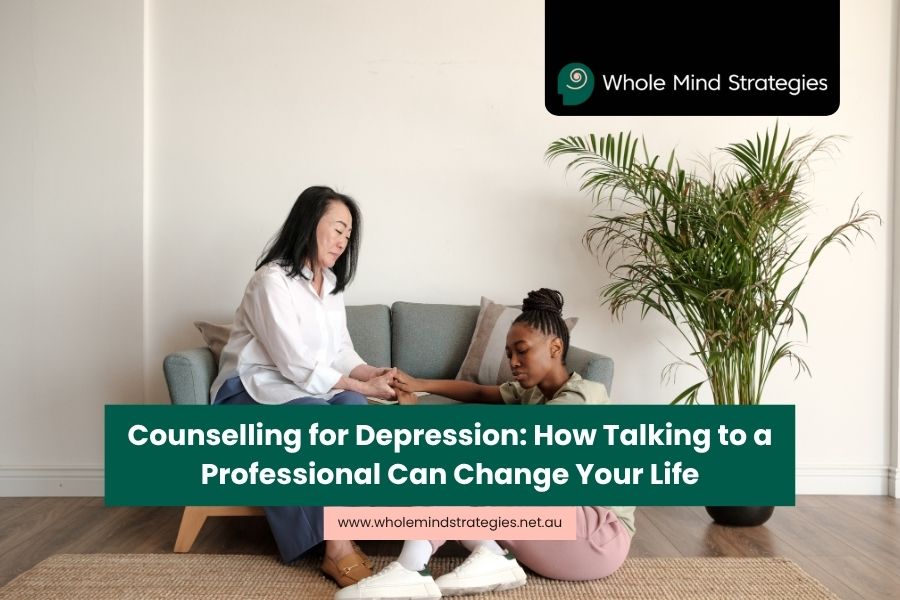
Depression counselling is a form of talk therapy, in which you sit along with a trained professional such as a counsellor, therapist, or psychologist and discuss your thoughts, feelings, and problems.
This is aimed at making you realize what is bringing you sadness, learning to cope with it, and recovering. Imagine that you have a secure place where you can express yourself without being judged.
Why Talking Helps So Much
It seems that no one can comprehend us when we are depressed. We may keep it all in since we do not want to become a burden, or we are ashamed. However, putting emotions in a bottle may worsen things.
Talking is such a great tool, that is why. Depression therapy provides an opportunity to discuss your experience with a person who pays attention and offers you the chance to make sense of things that take place within your head.
Sometimes, all you need to do is talk, and you will feel a little lighter and less lonely. It is the initial step towards depression recovery.
How Counselling Helps with Depression
The following are some of the ways in which therapy for depression can transform your life:
1. You Learn to Understand Your Feelings
A counsellor makes you investigate the possible causes of your sadness, it could be stress, loss, trauma and even negative thought patterns. Getting to know why you think the way you think may help you begin to heal quicker.
2. You Find Healthy Ways to Cope
Rather than resorting to unhealthy coping strategies such as overeating, sleeping, or avoiding others, your therapist trains you in healthy coping strategies such as deep breathing, journaling, or positive thinking.
3. You Build Confidence and Self-Worth
Depression makes you feel that you are not feeling well. Mental health counselling will help you to contradict those thoughts and begin to develop a more robust, gentler opinion of yourself.
4. You Gain Emotional Support
It really makes a difference when someone is really listening and caring. A counsellor is also an emotional supporter, who is not judgmental. They make you feel that your emotions are normal and that you are not the only one in the process.
5. You Learn Tools to Prevent Future Depression
It has been claimed that one of the benefits of counselling for depression is the provision of long-term resources to cope with stress and emotions. You will know how to identify initial symptoms of depression and what to do to prevent further deterioration.
Different Types of Therapy for Depression
There is no single method of accessing assistance. Depression treatment in the form of counselling has various forms, and your counsellor can assist you in understanding the one that suits you best:
1. Cognitive Behavioural Therapy (CBT)
CBT teaches you to alter negative thoughts. To take an example, rather than believing that you are a failure, you will learn to substitute it with the idea that you are doing your best, and you learn each day.
2. Talk Therapy
It is what comes to mind most of the time when people hear the word therapy. You also discuss freely with your counsellor about your emotions, your past and your concerns. You find solutions together on how things can be improved.
3. Interpersonal Therapy (IPT)
IPT is concerned with your relationships-the way you relate with other people and the ways in which these relations influence your mood. It will enable you to communicate better and develop better support systems.
4. Group Therapy
During group therapy, you get to socialize with other people who also have the same problem of depression. By talking about your experiences and listening to ones, you may feel less alone and know that other people are hearing from you.
The Role of Mental Health Support Services
Seeking assistance does not imply that you are working on your own. Most communities provide mental health support services such as hotlines, community centres, and online counselling. With these services, it becomes easy to seek assistance within no time and in the least unsafe manner.
Other methods of depression treatment, such as medication, exercise, or even mindfulness, can also be recommended to you by your counsellor. These should be combined with counselling, and this can give the best outcome.
What to Expect in Your First Counselling Session
If you’ve never been counselling before, it’s normal to feel nervous. But don’t worry, your counsellor’s job is to make you feel comfortable and safe.
During your first session, you might:
- Talk about what brought you there
- Share your feelings and symptoms
- Set goals for what you want to achieve
- Get to know how your sessions shall be
There is no need to tell you everything at once. There is nothing wrong with taking time to heal.
Overcoming Depression Takes Time, and That’s Okay
Depression cannot be cured by magic, but through proper assistance, one can still recover. Counselling for depression will enable you to regain hope, energy and joy over life gradually. It is progress, rather than perfection.
Even minor things matter, such as getting out of bed, calling up a friend or jotting down the way you feel. Small steps will translate into big changes with time.
The Benefits of Counselling for Depression
To sum it up, here are some key benefits of counselling for depression:
- It can help you to know and cope with your feelings.
- You learn to deal with stress and depression.
- You feel supported and heard
- You develop self-esteem and confidence.
- You make a roadmap towards a happier and healthier life.
You Don’t Have to Face Depression Alone
If you’re struggling with depression, please remember this: help is available, and recovery is possible. Talking to a professional isn’t a sign of weakness, it’s a brave step toward healing.
Whether you reach out to a counsellor, therapist, or mental health support service, you’re giving yourself the care you deserve. Life can feel bright again, and counselling can help you find that light.
Whole Mind Strategies believes that everyone deserves support, understanding, and hope. If you or someone you know is ready to start the journey toward overcoming depression, reach out today. Talking really can change your life.